Everything you need to know about planning, creating, personalising, producing and delivering a successful direct mail campaign.
Direct mail remains a powerful way for businesses to put their message directly into the hands of their customers. From a simple postcard or letter to a highly personalised, multi-piece mail pack, direct mail can be used to generate new leads, drive sales, re-engage existing customers and build brand awareness.
But successful direct mail is about more than putting something in an envelope and sending it. The best campaigns combine accurate data, relevant messaging, effective creative, the right format, professional production and carefully managed postage.
This complete guide explains every stage of the direct mail process, from deciding whether direct mail is right for your campaign through to measuring its results.
In this guide:
- What is direct mail?
- Why use direct mail?
- Types of direct mail
- How to plan a direct mail campaign
- Choosing your target audience
- Preparing your mailing data
- Personalising your direct mail
- Designing effective direct mail
- Choosing the right format and materials
- Direct mail production and fulfilment
- Postage and distribution
- Integrating direct mail with digital marketing
- Measuring direct mail campaigns
- How much does direct mail cost?
- Direct mail campaign checklist
- Frequently asked questions
What is Direct Mail?
Direct mail is a form of marketing that involves sending physical promotional or informational material directly to a targeted audience through the post.
Unlike advertising that people encounter while browsing a website or social media, direct mail puts physical communication directly into the recipient's hands. It can be used by both B2B and B2C organisations and can range from a single postcard to a complex mail pack containing multiple printed items, samples or promotional materials.
Common examples include:
- Letters and mailshots
- Postcards
- Brochures
- Catalogues
- Leaflets
- Promotional offers
- Product samples
- Customer communications
- Charity appeals
- Event invitations
- Re-engagement campaigns
- Personalised mailings
Direct mail can also be highly targeted. Rather than sending the same communication to everyone, businesses can segment their audience by factors such as location, previous purchases, customer status or other available data.

Why Use Direct Mail?
Digital marketing has transformed the way businesses communicate with customers, but physical mail offers something digital channels cannot: a tangible interaction with a brand.
A well-executed direct mail campaign can complement email, paid advertising, social media and other digital channels rather than competing with them.
At DMS, we have explored the relationship between physical and digital marketing in more detail, particularly how the two channels can be combined to create integrated campaigns.
Direct mail can help businesses to:
Reach a Specific Audience
Direct mail campaigns can be targeted using customer and prospect data. This allows businesses to focus their budget on particular audiences rather than communicating with everyone.
Targeting could be based on:
- Geographic location
- Customer type
- Previous purchases
- Customer value
- Demographics
- Interests
- Buying behaviour
- New or existing customer status
Create a Physical Brand Experience
A physical piece of marketing gives customers something they can hold, read and keep. The format, paper stock, photography, typography, finishes and packaging can all contribute to the impression a campaign creates.
Personalise the Customer Experience
Direct mail can be personalised using customer information, allowing businesses to tailor names, offers, messages, product recommendations and other content.
Support Customer Acquisition
Direct mail can be used to reach prospective customers who may not yet be familiar with a business.
For example, a campaign could target households within a particular area, businesses within a defined industry or prospects matching a particular demographic profile.
Re-engage existing customers
Direct mail doesn't have to focus solely on acquiring new customers. Businesses can use physical mail to:
- Re-engage lapsed customers
- Promote new products
- Encourage repeat purchases
- Introduce loyalty offers
- Remind customers about a service
- Promote seasonal campaigns
Work alongside digital marketing
A direct mail campaign can include QR codes, personalised URLs, landing pages, promotional codes and other digital touchpoints.
This creates a journey from the physical piece to the digital experience.

Types of Direct Mail
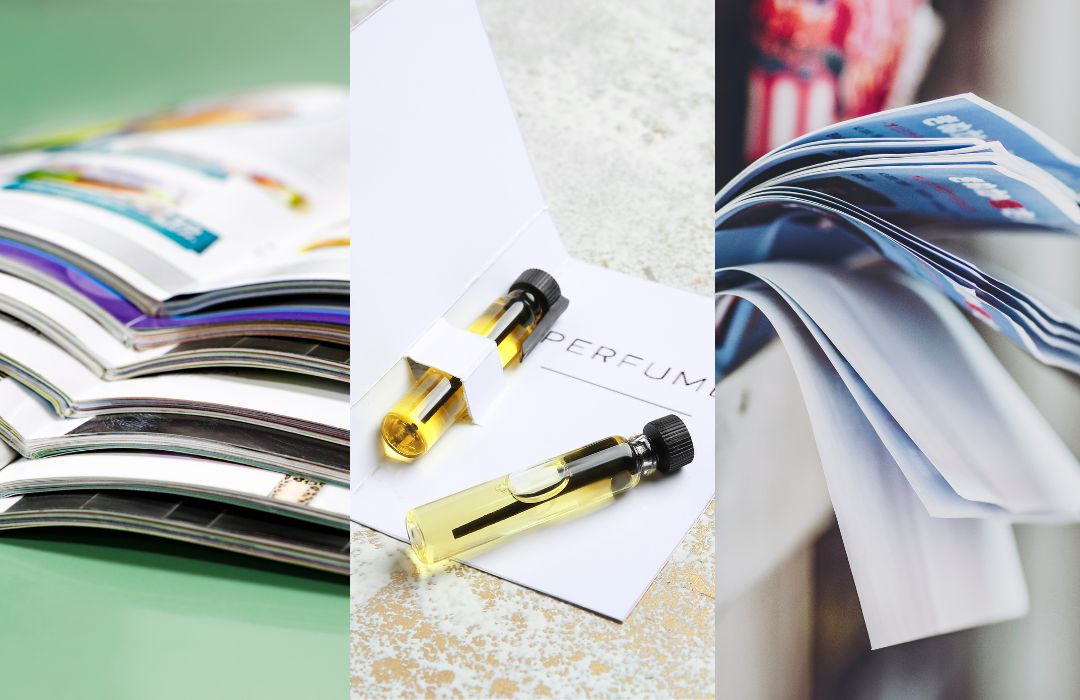
There is no single format that works for every campaign. The right choice depends on your audience, message, budget and desired response.
Postcards
Postcards are one of the simplest direct mail formats. Because there is no envelope to open, the recipient can see the message immediately.
They can work particularly well for:
- Promotions
- New product launches
- Events
- Local marketing
- Brand awareness
- Customer reactivation
Discover our Postcard Marketing Service >
Letters & Mailshots
Letters provide more space for detailed messaging and can be enclosed in an envelope alongside additional materials. Mailshots can be used for sales campaigns, customer communications, promotional offers and a wide range of other marketing purposes.
DMS manages the mailshot process from data and production through to postage and delivery.
Explore our Mailshot Service >
Brochures & Catalogues
Brochures and catalogues are useful when there is more information to communicate or a business wants to showcase a range of products or services.
They can be particularly effective for:
-
Retail
-
Hospitality
-
Travel
-
Property
-
B2B services
-
Product launches
Self-Mailers
Self-mailers are designed to be sent without a traditional envelope. They can provide an attractive and practical format for promotional campaigns.
Mail Packs
A mail pack can combine multiple pieces of content into one campaign.
For example:
Personalised letter + brochure + promotional leaflet + reply form
Mail packs can be enclosed, wrapped or otherwise prepared according to the requirements of the campaign.
Product Samples & Promotional Items
Direct mail can also be used to distribute samples, promotional materials or other physical items. This can turn a mailing into a more interactive brand experience.
View our Product Sampling Services >

How to Plan a Direct Mail Campaign
The most effective campaigns start with a clear objective. Before thinking about paper, printing or postage, decide what you want the campaign to achieve.
Step 1: Define your objective
Your objective might be to:
- Generate new leads
- Increase sales
- Promote a new product
- Drive store visits
- Re-engage customers
- Increase event registrations
- Generate enquiries
- Build brand awareness
Your objective should influence every subsequent decision.
Step 2: Define your audience
Who needs to receive the campaign?
Consider:
- Existing customers
- Prospective customers
- Lapsed customers
- High-value customers
- Local audiences
- Specific industries
- Specific geographic areas
Step 3: Decide what you want to say
Your campaign needs one clear message.
Ask: What is the most important thing the recipient needs to know?
Avoid trying to communicate everything at once. A strong headline, clear benefit and obvious call to action are usually more effective than a piece overloaded with information.
Step 4: Choose your format
Consider whether your campaign needs:
- A postcard
- Letter
- Brochure
- Catalogue
- Mail pack
- Self-mailer
- Sample pack
Step 5: Decide how the campaign will be personalised
If you have suitable customer data, consider where personalisation could improve relevance.
Step 6: Prepare your data
Accurate data is essential before anything goes to print.
Step 7: Produce and fulfil the campaign
This includes printing, personalisation, enclosing, wrapping and preparing the mailing for dispatch.
Step 8: Arrange postage
The mailing needs to be prepared correctly to achieve the most appropriate postage solution.
Step 9: Measure the results
Decide how you will track responses before the campaign is sent.

Choosing Your Target Audience
One of the biggest advantages of direct mail is the ability to target a specific audience. A campaign sent to 10,000 carefully selected recipients can be more valuable than one sent to 50,000 people with little relevance to the message.
Geographic Targeting
Businesses can target specific:
- Towns
- Cities
- Postcodes
- Regions
- Catchment areas
This can be particularly useful for local businesses, retail, property and location-based services.
Customer Segmentation
Existing customers can be divided into groups based on factors such as:
- Purchase history
- Frequency of purchase
- Customer value
- Recency
- Product interest
- Location
Different groups can then receive different messages!
Prospect Targeting
Businesses can also use prospect data to reach people who aren't currently customers but fit their ideal customer profile.
Preparing Your Mailing Data
Your mailing data is one of the most important parts of a direct mail campaign. Even the best-designed mailer won't perform properly if it is sent to an inaccurate or poorly formatted address. Data processing can include:
- Removing duplicate records
- Correcting inaccurate information
- Standardising addresses
- Validating addresses
- Identifying people who have moved
- Checking suppression and preference files
- Adding demographic information
- Segmenting databases
- Preparing data for personalisation
Good data management can help reduce wasted print and postage while improving the likelihood that your campaign reaches the intended recipient.
Why Data Cleansing Matters
Imagine a campaign containing 20,000 pieces of mail. If the database contains duplicate, incorrect or outdated records, some of those pieces may never reach the intended recipient.
Cleaning the data before production can therefore help to reduce:
Wasted print + wasted postage + wasted opportunities
DMS provides data cleansing, enhancement and standardisation services specifically for direct mail campaigns. Take a look at our data processing services >

Personalising Your Direct Mail
Personalisation can take direct mail beyond simply printing a recipient's first name. At its simplest, a personalised mailer might say:
Hello Sophie,
But businesses can use customer data to create much more relevant communications.
For example:
Basic personalisation
Recipient name and address
Segmented personalisation
Different messages for different customer groups
Behavioural personalisation
Messaging based on previous purchases or interactions
Offer personalisation
Different offers based on customer characteristics
Product personalisation
Recommended products based on previous purchases or interests
Personalised direct mail can also include personalised QR codes, URLs or other elements that connect the physical campaign with an online experience.
The Personalisation Process
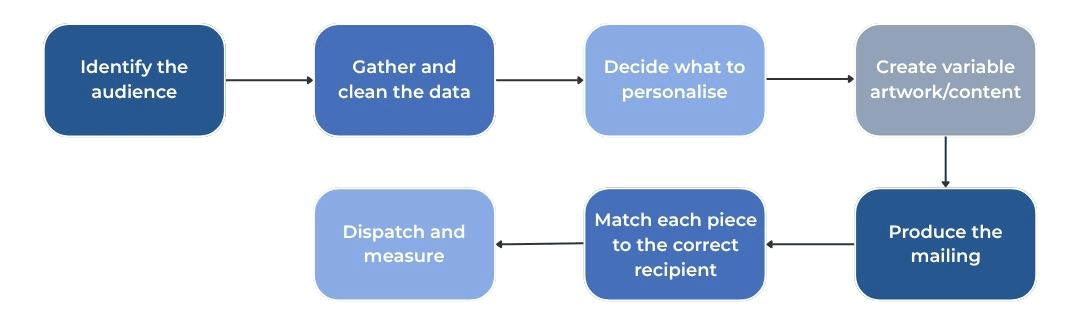
The quality of the underlying data is critical. Incorrect customer information can turn personalisation from an advantage into a poor customer experience.
Designing Effective Direct Mail
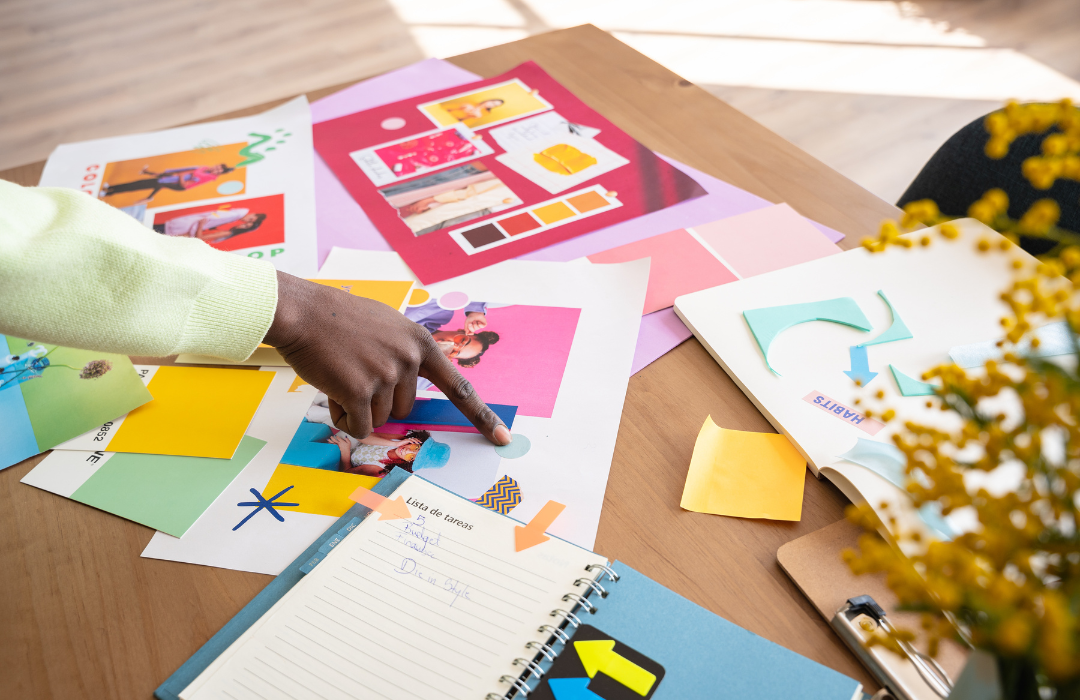
A direct mail piece has only a short amount of time to capture attention. The recipient will often see the physical piece before deciding whether to read it, so the design needs to communicate the most important information quickly.
Start with a strong headline
The headline should tell the recipient why they should continue reading.
Make the benefit obvious
Don't make the reader search for the reason they should respond.
Use strong imagery
Photography and graphics should support the message rather than distract from it.
Keep the layout easy to scan
Use:
- Short paragraphs
- Subheadings
- Bullet points
- Clear calls to action
- Plenty of white space
Make the CTA obvious
Tell the recipient what to do next. Examples include:
- Shop now
- Book your appointment
- Visit our website
- Scan to discover more
- Call us today
Think about the physical experience
Design isn't just about what's printed on the page. Paper weight, texture, finish, folding, enclosing and packaging can all influence how the piece feels.
Read our blog on choosing the right paper stock and finishes for your direct mail.
At DMS, we provide a range of direct mail production capabilities, including digital printing across different paper stocks and finishes.
Choosing the Right Direct Mail Format
Different formats create different experiences.
Format |
Best Suited To |
Key Advantages |
| Postcard | Offers, promotion, awareness | Immediate visibility |
| Letter | Detailed communication | More space for messaging |
| Brochure | Products and services | Visual storytelling |
| Catalogue | Multiple products | Showcase a wider range |
| Self-Mailer | Promotions and campaigns | No traditional envelope required |
| Mail Pack | Multi-stage campaigns | Combine multiple materials |
| Sample Mailer | Product marketing | Physical product experience |
There is no universal "best" format. The right choice depends on:
- Your objective
- Your audience
- Your message
- The amount of content
- Your budget
- Your desired physical experience
- Your postage requirements
Discover our full direct mail production services >
Direct Mail Production & Fulfilment
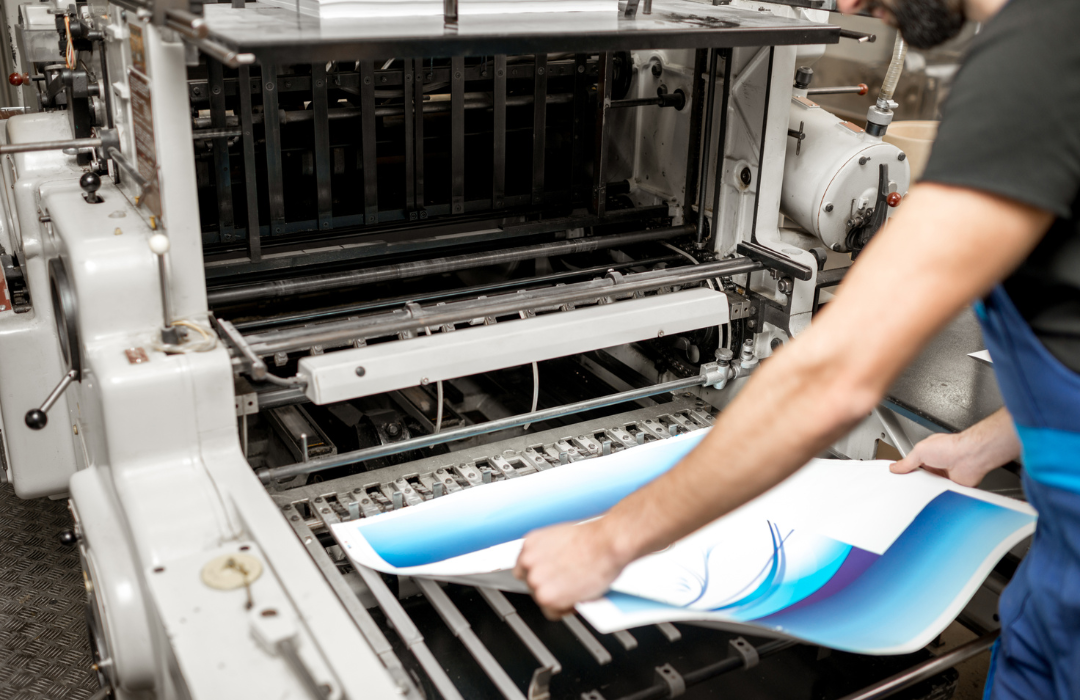
Once the creative and data are ready, the campaign moves into production. Depending on the campaign, this can involve several stages.
Printing
The design is produced onto the chosen paper stock and format.
Personalisation
Variable information can be incorporated into individual pieces.
Folding
Printed material may need to be folded into the required format.
Enclosing
Letters, brochures, leaflets or other inserts can be placed into envelopes.
Wrapping
Some campaigns may require polywrapping or alternative packaging.
Collating
Multiple pieces can be brought together to create a complete mail pack.
Quality checking
The finished campaign needs to be checked before dispatch to ensure that the correct materials, data and quantities are being used. A mailing house can manage these processes together, reducing the number of suppliers involved in a campaign.
DMS provides in-house direct mail production alongside printing, enclosing, wrapping, data processing, postage and delivery.
Postage & Distribution
Postage can represent a significant part of a direct mail campaign's overall cost, particularly for larger mailings. The way a campaign is prepared can therefore have a significant impact on its overall efficiency.
Bulk postage
For larger campaigns, bulk postage services can provide access to discounted postal rates, subject to the relevant requirements.
DMS supports bulk postage campaigns through services including postage discounts, presorting and address standardisation.
Presorting
Mail can be sorted according to postal requirements before dispatch.
Address standardisation
Addresses need to be accurate and consistently formatted to support efficient processing and delivery.
Consider postage early
Postage shouldn't be treated as something to think about once the campaign is finished. The size, weight and format of your mailer can all influence the postage requirements, so it is worth considering distribution when choosing the format.
Find out more about our postage services >

Integrating Direct Mail with Digital Marketing
Direct mail doesn't have to operate as a standalone campaign. In fact, some of the strongest campaigns combine physical and digital channels. For example:
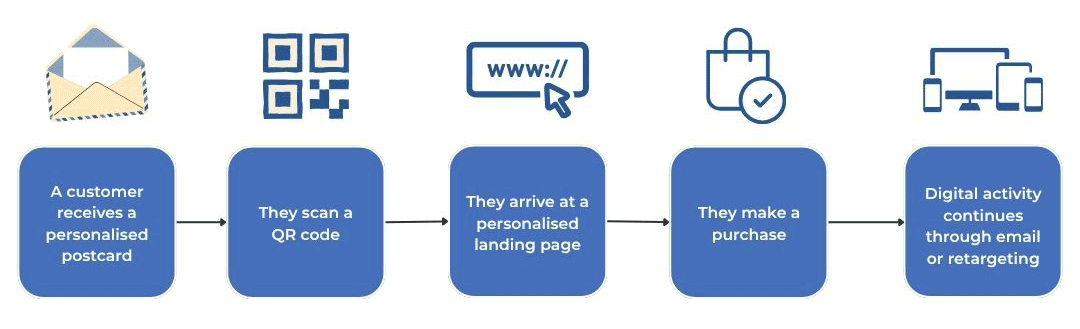
This creates a connected customer journey. Other ways to connect direct mail with digital marketing include:
- QR codes
- Personalised URLs
- Promotional codes
- Dedicated landing pages
- Email follow-ups
- Social media campaigns
- Digital retargeting
This approach can also make direct mail easier to measure because recipients have a clear digital action to take.
Measuring Direct Mail Campaigns
Direct mail should be measurable. So, before sending a campaign, decide what action you want the recipient to take and how that action will be tracked. Depending on the campaign, you could measure:
Response rate
How many recipients responded?
Conversion rate
How many responses resulted in the desired action?
Website traffic
Did the campaign generate additional visits?
QR code scans
How many recipients interacted with the QR code?
Promotional codes
How many people used the campaign-specific code?
Enquiries
How many calls, emails or enquiries were generated?
Revenue
How much revenue did the campaign generate?
Return on investment
How did the revenue or value generated compare with the campaign cost?
A simple campaign measurement framework might look like:
Number mailed
↓
Responses
↓
Conversions
↓
Revenue generated
↓
Campaign ROI
The tracking method should be designed before production, not added afterwards.
How Much Does Direct Mail Cost?
There isn't one standard price for a direct mail campaign. The total cost depends on a combination of factors, including:
- Number of recipients
- Format
- Paper stock
- Printing
- Personalisation
- Number of inserts
- Enclosing
- Wrapping
- Data processing
- Postage
- Delivery requirements
For example, a simple postcard campaign may have a very different cost structure from a highly personalised multi-piece mail pack.
How can you keep costs under control?
Start with clean data
Avoid printing and posting to duplicate or unusable records.
Choose the right format
The cheapest option isn't necessarily the best option, but unnecessary complexity can increase costs.
Consider volume
Larger campaigns may qualify for more favourable postage arrangements.
Use a mailing house
Managing printing, data, fulfilment and postage through one supplier can simplify the process and may reduce the cost and administration involved in coordinating multiple suppliers.

Direct Mail Campaign Checklist
Use this checklist before launching your next campaign.
Strategy
☐ Define the campaign objective
☐ Identify the target audience
☐ Define the desired response
☐ Decide how success will be measured
Data
☐ Check the mailing list
☐ Remove duplicates
☐ Validate addresses
☐ Standardise data
☐ Segment the audience
☐ Check relevant preference/suppression requirements
☐ Prepare personalisation fields
→ Discover our data processing service
Creative
☐ Choose the appropriate format
☐ Create a strong headline
☐ Communicate the main benefit
☐ Use appropriate imagery
☐ Include a clear CTA
☐ Consider personalisation
☐ Consider QR codes or digital integration
☐ Check artwork
Production
☐ Confirm quantities
☐ Confirm paper stock
☐ Confirm finishes
☐ Approve proofs
☐ Confirm personalisation
☐ Plan enclosing/wrapping
☐ Complete quality checks
→ View all our direct mail production services
Postage
☐ Confirm mailing specifications
☐ Check weights and formats
☐ Prepare postal data
☐ Arrange sorting
☐ Confirm postage requirements
☐ Schedule dispatch
Measurement
☐ Set up tracking
☐ Create campaign-specific URLs or QR codes
☐ Set promotional codes if required
☐ Monitor responses
☐ Track conversions
☐ Calculate ROI
Why Use a Mailing House?
A direct mail campaign can involve many different stages.
Data → Design → Printing → Personalisation → Fulfilment → Postage → Delivery → Measurement
Managing each stage separately can create additional administration and increase the risk of errors.
A mailing house can bring multiple parts of the process together. At Direct Mail Systems, campaigns can be managed across data processing, direct mail production, printing, enclosing, wrapping, postage and delivery.
DMS has been operating since 1974 and provides mailing house and data processing services from its Bristol facility. The company describes its capability as supporting both lower-volume work and high-volume campaigns, with in-house production and mailing equipment.
From Campaign Idea to Delivery
A typical campaign can therefore move through:
1. Campaign planning
Understand your objectives, audience and requirements.
2. Data preparation
Clean, segment and prepare your mailing data.
3. Creative and production
Create and print the required materials.
4. Personalisation
Apply relevant customer-specific information.
5. Fulfilment
Enclose, collate or wrap the campaign.
6. Postage
Sort and prepare the mailing for dispatch.
7. Delivery
Get the campaign into the hands of your intended audience.
8. Measurement
Track responses and assess campaign performance.
Frequently Asked Questions
What is direct mail?
Direct mail is a marketing method that involves sending physical promotional or informational material directly to a targeted audience through the post. It can include postcards, letters, brochures, catalogues, mail packs and other formats.
Is direct mail still effective?
Yes. Direct mail can provide a tangible way for businesses to reach customers and can work particularly effectively when it is targeted, relevant and integrated with other marketing channels.
What types of direct mail are available?
Common formats include postcards, letters, mailshots, brochures, catalogues, self-mailers and multi-piece mail packs.
Can direct mail be personalised?
Yes. Personalised direct mail can use customer data to tailor names, messages, offers, product recommendations and other content to individual recipients or customer segments.
How much does direct mail cost?
The cost depends on factors including the quantity, format, paper stock, printing, personalisation, fulfilment, data processing and postage requirements. Get in touch for a free quote.
Can direct mail be combined with digital marketing?
Yes. QR codes, personalised URLs, landing pages, promotional codes, email and other digital channels can be incorporated into a direct mail campaign.
How can I reduce direct mail postage costs?
For larger campaigns, bulk postage services can help businesses access discounted postal rates. Correct data preparation, address standardisation and pre-sorting can also help ensure mailings are prepared appropriately.
How long does a direct mail campaign take?
The timeframe depends on the size and complexity of the campaign, including data preparation, artwork, printing, personalisation, fulfilment and postage. DMS states that many mailshot campaigns take around 1–3 weeks from design to delivery, although this varies according to campaign requirements.
Do I need to manage the printing and postage separately?
Not necessarily. A mailing house can manage multiple stages of the campaign, including data processing, printing, fulfilment and postage.
Ready to Plan Your Direct Mail Campaign?
From a simple postcard mailing to a highly personalised multi-piece campaign, Direct Mail Systems can support your campaign from data preparation and production through to fulfilment and postage.
Planning your next campaign? Explore All Our Direct Mail Services
→ Mailshots
→ Postcard Marketing
→ Personalised Direct Mail
→ Direct Mail Production
→ Data Processing
→ Bulk Postage
Direct Mail Systems, helping businesses plan, produce and deliver effective direct mail campaigns.