

One might assume that traditional channels like direct mail are becoming obsolete. However, in 2026, direct mail is making a notable comeback, carving out a unique space in an oversaturated digital landscape. As consumers grow weary of endless online ads, notifications, and email overload, they are increasingly drawn to the personal touch that direct mail offers. Far from being a relic of the past, direct mail is evolving; blending the best of traditional marketing with modern technology to deliver results that are difficult to ignore.
- The Rise of Direct Mail in 2026
- Why Direct Mail is Still Relevant in the Digital Age
- The Key Benefits of Direct Mail Marketing in 2026
- Challenges To Consider When Using Direct Mail
- Direct Mail with DMS
The Rise of Direct Mail in 2026
In 2026, direct mail is experiencing a comeback, largely due to growing digital fatigue and increased consumer demand for tangible, personalised marketing experiences. While digital advertising continues to dominate, businesses are finding that the oversaturation of online channels makes it harder to capture and maintain attention. Consumers are bombarded with emails, social media ads, and pop-ups, leading to a form of "ad blindness."
In contrast, direct mail stands out because it arrives physically, offering a more intimate and engaging experience. Modern advancements, such as enhanced targeting through data analytics and the integration of augmented reality (AR) and QR codes, have transformed direct mail into a sophisticated marketing tool that can complement digital campaigns. Marketers in 2026 are using direct mail to create multi-touchpoint strategies, blending the tactile nature of mail with the instant connectivity of digital channels. The latest data shows that mail is looked at on average for 108 seconds over the course of a month in a household, proving its longevity and its extended interaction time is a significant advantage over fleeting digital impressions.
The DMA reported that 92% of people have been driven to online or digital activity as a direct result of receiving mail. As businesses look for more ways to stand out and cut through the noise, direct mail has proven its relevance by delivering a unique, personalised experience directly to consumers' hands. Furthermore, focusing on smart data processing and segmentation allows companies to achieve high levels of relevance, which is crucial when trying to capture a consumer's attention.

Why Direct Mail is Still Relevant in the Digital Age
Direct mail continues to be relevant in the digital age because it offers a less intrusive way to connect with consumers. While digital channels are fast and cost-efficient, they often get lost in the clutter of constant notifications and overflowing inboxes. Direct mail cuts through this digital overload by delivering something physical that can be seen, touched, and remembered. Its physicality often leads to higher retention rates and brand recall. Additionally, with the rise of data-driven marketing, direct mail can be highly personalised, targeted, and integrated with digital campaigns to offer a seamless customer journey.
Today, customers expect personalisation, and direct mail allows for custom content that feels more thoughtful and personal. Its longevity and ability to spark emotional connections make it an essential part of a modern omnichannel marketing strategy. Focusing on highly targeted mail pieces, such as traditional mailshots or innovative one-piece mailers, ensures that marketing spend is focused on the most receptive audience segments. The capability to seamlessly integrate physical mail with digital engagement tools is what truly drives its effectiveness in a cross-channel landscape. For example, by using sophisticated data processing techniques, marketers can ensure that every single mail piece is tailored, making the recipient feel truly valued.
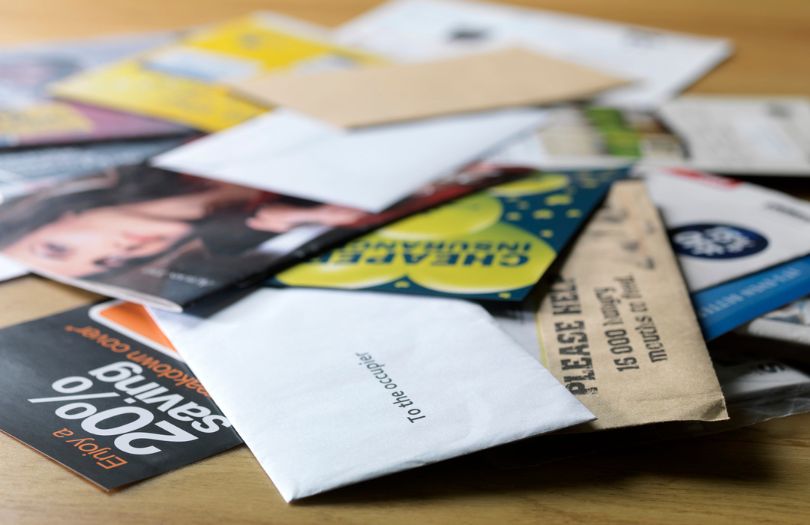
The Key Benefits of Direct Mail Marketing in 2026
The benefits of incorporating direct mail into your strategy in 2026 go beyond simple exposure; they tap into psychological principles of attention and engagement. The medium provides a reliable channel for high-value communications, especially for sectors like retail and charities, where emotional connection is key.
Tangible and Memorable
Direct mail offers a physical touchpoint that digital media cannot replicate. People are more likely to engage with and remember a well-crafted mail piece because it activates multiple senses—sight, touch, and sometimes even smell. In 2026, companies are using high-quality designs, textures, and even scent to create mail that sticks in recipients' minds longer than digital ads, increasing their chance of being remembered by the customer.
The choice of materials, from the weight of the paper to the finish, plays a critical role in the perceived value of the communication. For example, considering the options available in choosing the right paper stock and finishes can significantly impact the recipient's experience. This tangibility contributes to a higher emotional response, making mail a vital tool for brand awareness.
Personalised and Data-Driven
With the integration of big data and AI, direct mail campaigns can be hyper-targeted and personalised in 2026. Marketers now have the ability to tailor messages, offers, and designs to specific consumer segments based on detailed demographic and behavioural data. This level of personalisation not only increases the likelihood of conversion but also strengthens brand loyalty. Using inkjet addressing and variable digital printing technologies allows for unique imagery and messaging on every single piece, elevating the recipient's engagement. Learn more about how to segment your mailing lists for higher engagement to maximise the impact of your personalised campaigns.
Higher Response Rates
Direct mail boasts higher response rates compared to digital ads. The tactile nature of mail makes it more engaging, and consumers are more likely to take action when they receive something physical. This is why many companies continue to rely on it as part of their customer acquisition and retention strategies. The effectiveness of a high-quality postcard marketing campaign, for instance, often delivers a significant ROI due to its immediate visual impact and low barrier to engagement.
Integration with Digital Channels
One of the key trends in 2026 is the integration of direct mail with digital marketing. Companies use QR codes, AR features, and personalised URLs (PURLs) in mail campaigns to drive online engagement. This hybrid approach enables brands to connect with customers through both physical and digital touchpoints, leading to a more cohesive and impactful marketing experience. Understanding how direct mail complements your digital strategy is essential for modern marketers. This synergy allows for powerful tracking and analysis, turning a physical touchpoint into a measurable digital event.
The rise of Partially Addressed Mail (PAM) further demonstrates the channel's evolution, allowing marketers to target specific geographies with remarkable efficiency while adhering to strict privacy regulations. This innovation, coupled with the proven effectiveness of postcard marketing and envelope enclosing, highlights why physical mail remains a critical element for generating high-quality leads. Furthermore, in an age where data security is paramount, the process of ensuring clean and compliant data hygiene before mailing is non-negotiable, protecting the brand and the consumer. The integration of advanced data processing capabilities means modern direct mail is far removed from the spray-and-pray methods of the past. By leveraging predictive analytics, marketers can determine not only who to mail but when to mail them, often aligning the physical delivery with a coordinated email or social media burst. This precise timing significantly amplifies the campaign's overall impact.
The unique ability of physical mail to deliver product samples directly into the customer's home also opens up powerful avenues for new product launches, a critical advantage over purely digital competitors. We anticipate that by 2026, the focus will shift even more towards creating highly creative, bespoke packages—such as those achievable through poly wrapping—that serve as mini-billboards in the hands of the consumer, ensuring that the brand message is received, retained, and acted upon. This commitment to quality and targeting solidifies direct mail's status as a high-ROI channel.

Challenges To Consider When Using Direct Mail
While direct mail is powerful, strategic planning is essential to mitigate its inherent challenges, ensuring that every campaign delivers maximum value and efficiency.
Cost
One of the major challenges of direct mail is its higher upfront cost compared to digital campaigns. Producing, printing, and mailing physical materials require a significant investment, especially for large-scale campaigns. Marketers must carefully weigh the costs against the potential return on investment (ROI) and ensure that their targeting is precise to avoid waste. Working with a partner who can secure significant postal discounts is crucial for managing these expenses effectively.
Delivery Timing
Unlike digital campaigns, which can be deployed almost instantly, direct mail involves a slower delivery process. Mail can take days or even weeks to reach its destination, which makes it harder to time campaigns for specific events or promotions. This delay requires marketers to plan well in advance, which can be a challenge in fast-moving industries. However, understanding direct mail timing can help align campaigns with seasonal peaks or customer behaviour.
Environmental Impact
As consumers become more eco-conscious, the environmental impact of direct mail is a growing concern. The use of paper and the energy involved in production and transportation raise questions about sustainability. Marketers need to address these concerns by using recycled materials and ensuring their mail campaigns are as eco-friendly as possible to align with modern consumer values. In the UK, the direct mail industry is committed to sustainability, with many companies achieving ISO 14001 certification and sourcing paper from sustainably managed forests.
Response Tracking
While direct mail can drive strong engagement, tracking its effectiveness is more complex than with digital campaigns. Marketers need to implement specific tools, such as custom URLs or tracking codes, to measure the ROI accurately. Without these tools, it can be difficult to assess how well a campaign performed, which could lead to inefficient spending or missed opportunities for optimisation. Implementing robust data capture and returns management systems is key to closing the feedback loop and providing actionable intelligence. Continuous A/B testing of mailer formats and offers is also vital for success.

Direct Mail with DMS
At DMS, we understand the power of direct mail in today’s market, and we utilise cutting-edge technology and data analytics to create highly targeted and effective campaigns. Whether you're looking to reach new customers or engage with your existing audience, our tailored direct mail services are designed to maximise impact and ROI. We offer end-to-end services, from printing to mailing and tracking, ensuring a seamless and stress-free experience. With a proven track record of success, DMS is your trusted partner in delivering memorable and results-driven direct mail campaigns that stand out in a crowded marketplace.
Give us a call today on 0117 934 1600 or get a quote here.