You want to get started with direct mail but where do you start? There are many options within the direct mail world, so we’ve put together the ultimate guide to sizing and formatting so that you know what your options are, and what each type is suited to and can feel confident communicating your needs when talking to a direct mailing house. It's crucial to look past just the content and understand how the physical characteristics of your mailer contribute to its overall success, which is why we continue to believe that direct mail still matters in a digital world.
- Importance of Understanding Sizing & Formatting in Direct Mail
- What Are The Most Common Direct Mail Sizes & Formats?
- Can You Create Custom Sized Direct Mail?
- Formatting Essentials for Direct Mail
- Testing Different Formats
- Direct Mail with DMS
Importance of Understanding Sizing & Formatting in Direct Mail
It’s important to understand all the options available to you when planning out your direct mail campaign so that you can have realistic expectations of the outcome, opportunities, costs, and any limitations. Understanding sizing and formatting in direct mail can also give you confidence when speaking to a direct mail or print house, ensuring you both understand the request and are on the same page in terms of the final result.
The sheer tangibility of a physical mail piece means it commands attention in a way digital channels often struggle to achieve, leading to higher engagement and dwell time. This physical presence is a key reason why an increasing number of brands are investing in high-quality mailshots, leveraging the sense of value that a physical item brings.

What Are The Most Common Direct Mail Sizes & Formats?
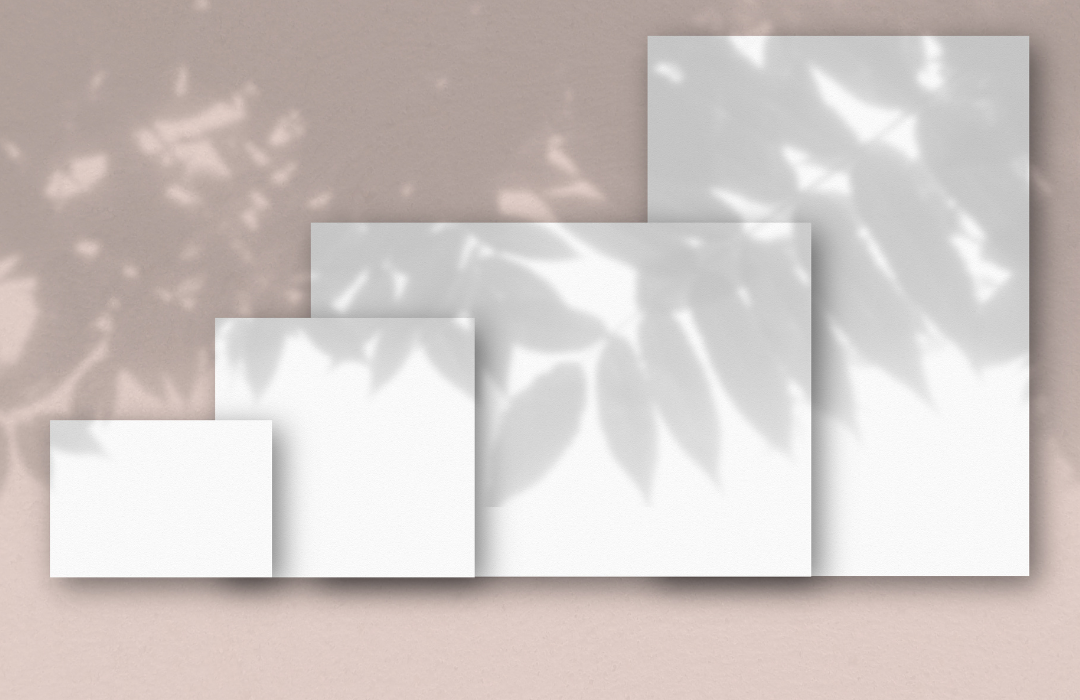
There are a variety of direct mail sizes and formats, which can become overwhelming. Below, we’ve laid out the most common sizes and formats of direct mail that companies opt for to communicate their messages to their audiences.
Postcards
Postcards are some of the most popular formats of direct mail, due to their simple format that allows for good readability and affordability. Their open nature means the message is immediately visible, helping brands cut through the clutter. Data indicates that a warm direct mail campaign (targeting existing customers) achieves an average response rate of 7.9%, highlighting the channel's commercial effectiveness when using formats like postcards.
The standard postcard size is A6 (105 x 148mm), however, larger postcards and custom sizes can also be achieved. Other popular sizes include:
- Square Postcards: 120 x 120mm
- Medium Postcards: 127 x 178mm
- A5 Postcards: 214 x 152mm
Letters
Just like with postcards, there are standard sizes of letters to choose from. Letters continue to be a staple in direct mail, particularly for transactional or highly personalised communications. Whichever you choose will depend on the type of letter you want to send your recipients. Choosing the correct size and weight classification is also vital for optimising your postage costs, ensuring you benefit from potential postal discounts.
Standard letters are good for greeting cards, bills and any other format that can be folded or fit into a standard envelope. Alternatively, large letters are best suited for A4 documents that can’t be folded such as certificates, magazines or legal documents.
- Standard Letter: 16.5 x 24cm
- Large Letter: 35.3 x 25cm
Folded Self-Mailers
Folded self-mailers can vary in size and are sometimes considered a more bespoke or custom format. However, they are often folded to 8.5 x 5.5 inches. The benefit of folded self-mailers is that they don’t require an envelope as the address is printed onto the mailer, making them potentially more cost-effective. This format is a popular middle ground, offering more creative space than a postcard without the additional cost of envelope enclosing, and often uses a small tab to seal the mailer during processing.
Catalogues, Brochures & Flyers
Catalogues, brochures and flyers are all other formats of direct mail which can be used to promote new or existing products or services, brand information or other messaging. These types of direct mailers don’t have standard sizes, but instead often fall into the sizes of postcards, letters or large letters (ranging from A6 through to A4). Brochures and catalogues are particularly effective as they are often kept in the home for longer periods, driving multiple brand impressions over time.

Can You Create Custom Sized Direct Mail?
You don’t always have to go with the standard sizes of direct mail! Many direct mail houses allow you to produce custom sizes, however, they will tend to incur a higher cost due to the bespoke aspect. However, many companies feel it is well worth the investment as it creates a unique and engaging mailer that stands out from the competition.
This is where the true power of cutting through the noise lies. While standard sizes offer cost efficiency, choosing a custom format, especially one that incorporates a three-dimensional element, elevates your brand's presence in the mailbox. Moving beyond flat mail, formats like dimensional mailers (boxes, tubes, or unusually shaped items) are transforming campaign effectiveness. The tangible, often surprising nature of these pieces ensures they get noticed, opened, and remembered. For instance, the average piece of direct mail now generates 4.6 interactions and commands attention for an average of 145 seconds across the household over a 28-day period, demonstrating its ability to deliver superior engagement compared to fleeting digital ads.
For complex, bespoke projects, this requires specialised handling. Working with a provider for your unique mailer ensures that every element of the mailing is handled, from the secure specialist fulfilment of unusual items to ensuring your unique item is compliant with postal regulations. This level of creativity ensures your campaign drives a better return on investment (ROI), which for cold Direct Mail campaigns is reported to be around £3.90 for every £1 spent. For more ideas, explore some creative mailer formats that boost response rates.
Formatting Essentials for Direct Mail
The way in which a direct mailer is formatted can immersively influence its engagement and therefore success rate. It’s thus important to understand the essentials of formatting when it comes to designing and producing your direct mail campaign, as well as understanding which aspects may incur higher costs.
Layout & Design
Layout and design are arguably the most important aspects of your direct mailer. It needs to grab the recipient's attention, hold it, convey the required information and trigger the reader to perform a required action, whether that be RSVP-ing to an event or visiting a website. Crucially, leveraging personalisation elements, such as name, location, or tailored imagery, has been shown to significantly increase attention and interaction with the mail piece.
Ensure the lead message is clear and easy to read and understand. Too many messages could confuse the reader, so keeping it simple is key. A call to action (CTA) tells your recipient what you want them to do, e.g. call a number or use a discount code. The CTA therefore needs to be compelling and visually appealing to catch their attention, ensuring it doesn’t get lost in the rest of the design,
Addressing
When it comes to formatting your direct mailers, make sure to allow space for postage in the upper right-hand corner, particularly if you are sending a postcard or self-mailer, as there will be no envelope. Of course, your address data needs to be correct and accurate to ensure strong deliverability—for best practices, you should also consider how clean is your data before launching a campaign. You will also need to add space for your return address, usually in the upper left-hand corner or on the back of the envelope, in case the item can’t be delivered.
Imagery
High-resolution imagery and graphics are key to producing a high-quality direct miler. We recommend using images of at least 300 dpi to avoid any pixelation. Also, choose images that are relevant, support your messaging and will resonate with your audience.
Printing & Paper
The type of paper and its finish are also an important part of your direct mailer and shouldn’t be overlooked. For guidance on achieving the best tactile finish, we recommend choosing the right paper stock and finishes for your campaign. Firstly, the quality of the paper and materials you use can say a lot about your company and brand and secondly, some materials are best suited for certain formats of direct mail, so it’s important to understand what's what.
For instance, postcards are best suited to thicker cardstock or paper that’s 300gsm or more to ensure they are sturdy and don’t bend during postage. On the other hand, Flyers and brochures are usually printed on 150gsm. A thicker cardstock will usually emit a more premium feel too, which is worth considering. The choice of stock should also be compatible with your chosen printing method, whether that be traditional offset or highly flexible digital printing.
Paper finishes include matte, glossy, satin or UV coating, all of which will give a different feel and look to your direct mailer. It is also worth noting that the different paper finishes can impact the finish and colours of any imagery or graphics. Your mailing house should be able to advise on this and even give you examples or samples.

Testing Different Formats
Like with all marketing strategies, carrying out testing is always recommended in order to analyse the results of each campaign, inform future decision making and further optimise future campaigns. Testing different types of direct mail such as a postcard versus a folded self-mailer, or a catalogue versus a letter is a good way to see which format best suits an audience. In fact, running a full A/B testing campaign can be one of the most effective techniques that drive ROI, allowing you to fine-tune your variables for maximum response.
Direct Mail with DMS
DMS are experts in all things direct mail and have supported leading organisations across all sectors over the years in delivering successful direct mail campaigns. Our knowledgeable team can advise on the best formats to suit your campaigns and budget requirements, and are on hand at all stages of your camping, from printing and production through to data capture. We can help you navigate the complexities of design and fulfilment, ensuring your mailer formats are optimised to improve response rates with A/B testing in direct mail campaigns and maximise the power of direct mail in building brand awareness.
Get in touch by clicking here to get started & for a free quote.