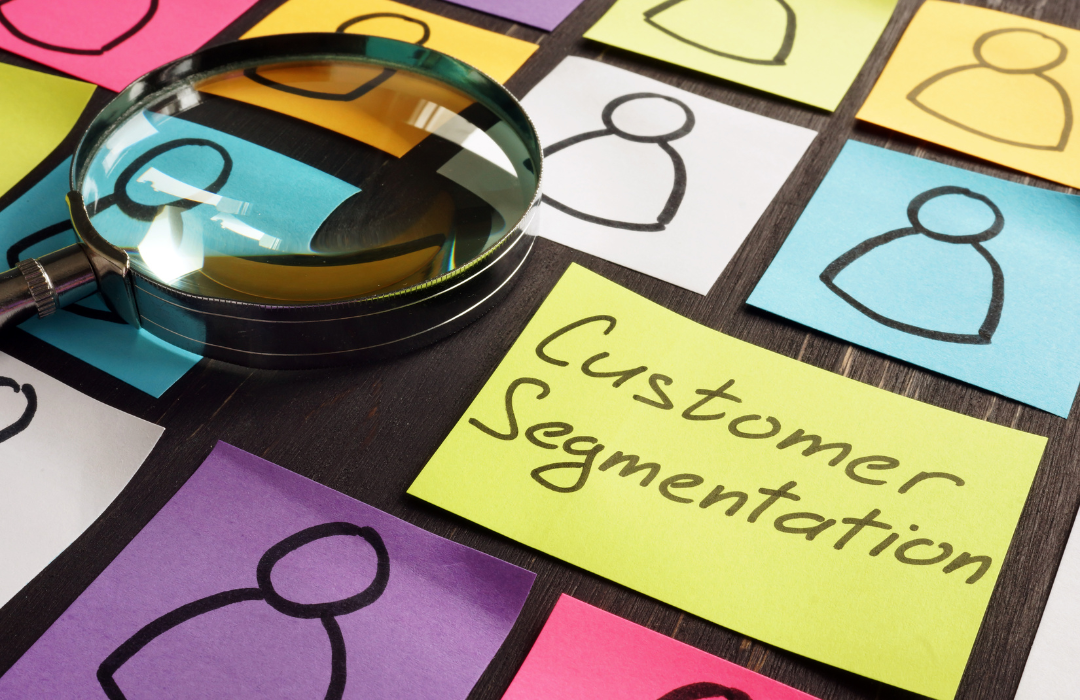
When it comes to direct mail services, the days of sending the same message to everyone on your list are long gone. If you want better response rates, higher ROI, and real engagement, segmentation is key. In this blog, we’ll walk you through how to segment your mailing lists for higher engagement and share practical tips to help you get more from every campaign.
- What Is Mailing List Segmentation?
- Why Segment Your Mailing List?
- Key Ways to Segment a Mailing List
- How to Gather Segmentation Data
- Practical Tips to Segment Your Mailing Lists
- How DMS Can Help You Segment & Target Smarter
- Smarter Segmentation = Stronger Results
- Ready to Improve Your Campaign Targeting?
What Is Mailing List Segmentation?
Mailing list segmentation refers to the breaking down of your direct mail audience into smaller groups based on criteria that matter to you, whether that’s demographics, location, buying behaviour, or customer value. Today, this process is more sophisticated than ever, allowing brands to treat their physical mail with the same precision as a digital ad.
Instead of blasting out a one-size-fits-all campaign, you send different versions of your mail to different audience segments. This could mean changing the imagery, wording, offer, or even the product focus to better match each segment’s needs. By using high-quality digital printing, you can swap out these elements seamlessly within a single print run.
For example, lapsed customers will receive a different message from those who have yet to make their first purchase, and a mailer promoting a new women’s anti-ageing day cream will only be sent to women 40+. This level of focus ensures that your brand remains relevant and avoids the "junk mail" stigma.

Why Segment Your Mailing List?
It’s simple: not all customers are the same, and they shouldn’t be treated as such. Recent industry findings from Marketreach show that 95% of direct mail is engaged with, but the depth of that engagement depends entirely on relevance. Here’s why mailing list segmentation improves direct mail performance:
Increased Relevance
Messages tailored to a recipient’s needs, location, or interests are far more likely to be read. When a consumer receives a physical item that mirrors their recent shopping habits, the perceived value of the brand increases instantly.
Better Engagement
Segmented mail feels more personal and less like “junk”. This is critical for building brand awareness and trust in an era where digital inboxes are overflowing with generic spam.
Higher Conversion Rates
You’ll speak to the right people at the right time with the right offer. Personalised direct mail has shown to increase conversion rates up to 50% versus non-personalised mailers. Furthermore, direct mail often achieves a higher ROI than many digital channels because of this targeted nature.
Smarter Spend
Avoid sending expensive print and postage to low-interest or ineligible recipients. By narrowing your focus, you can invest in higher quality paper stocks or creative one-piece mailers for your most valuable segments.
The result? Your marketing budget goes further, and your brand stands out in the letterbox.

Key Ways to Segment a Mailing List
Let’s look at some of the most effective segmentation strategies you can apply to your mailing lists:
Demographic Segmentation
Segmenting by demographic details such as Age, Gender, Household income, Marital status, and Occupation. This helps in aligning direct mail with your marketing funnel, ensuring the message matches the life stage of the recipient.
Example: A healthcare provider might send different messages to younger adults vs. retirees, or a retailer may tailor offers based on income levels.
2. Geographic Segmentation
Target recipients based on Postcode, Region, or Urban vs. Rural areas. This is particularly effective for local businesses or those using partially addressed mail to target specific neighbourhoods without needing full names.
Example: A supermarket chain segments its mailers by postcode to highlight offers available at each local store, and promote in-store events or opening times that vary by location.
3. Behavioural Segmentation
Use past behaviours such as previous purchases, response history, and loyalty levels. Understanding when is the best time to send your mailers based on previous purchase cycles can significantly boost response rates.
Example: A retailer could send exclusive discounts to customers who haven’t purchased in the last 6 months to reactivate interest.
4. Transactional Segmentation
This includes data like average order value and frequency of purchases. For high-spending customers, consider gift boxes or premium catalogues to maintain their VIP status.
5. Customer Lifecycle Segmentation
Group recipients based on where they are in the buyer journey: New leads, First-time buyers, Long-term customers, or Lapsed customers.

How to Gather Segmentation Data
You don’t need to have every data point under the sun to start segmenting. Here’s how to build up useful segmentation information:
Use What You Already Have
Look at your CRM or past order history, as insights often hide in plain sight. Data shows that even simple purchase-recency data can increase campaign effectiveness by 40%.
Capture New Data with Campaigns
DMS can help you design surveys and questionnaires to gather additional data from your audience—perfect for enriching your database for future product sampling campaigns.
Work with a Data Provider
For large lists, DMS can enhance your records with demographic data from GDPR-compliant providers. It is important to know what is data enrichment and how it can provide a deeper understanding of your prospect’s lifestyle.
Clean and Update Regularly
Old or inaccurate data leads to poor targeting. Our data processing services ensure your segmentation is always based on accurate, up-to-date information.

Practical Tips to Segment Your Mailing Lists
Here are some easy ways to apply segmentation effectively:
Start Small
You don’t need ten complex segments right away. Begin with one or two simple filters, like new vs. returning customers.
Tailor the Message
Make sure the content of your mailer matches the interests of each segment. A local council using election mailing would segment by ward, for example, to ensure specific local issues are highlighted.
Test & Refine
Try A/B testing with different audience segments. See which ones respond better to certain offers or creative mailer formats.
Track the Results
Measure response rates by segment to understand what’s working. Over time, your campaigns will become more efficient and effective.
How DMS Can Help You Segment & Target Smarter
At Direct Mail Systems, we specialise in helping businesses segment, clean, and enrich their data. Here’s what we offer:
- Data Processing & Cleansing – We remove duplicates and fix errors so you’re working with clean data.
- Data Enrichment – We add demographic or lifestyle indicators to build powerful segments.
- Returns Management – Undelivered mail is captured to update your records.
- Survey-Driven Data Capture – We gather new information through response cards to fuel future segmentation.
Smarter Segmentation = Stronger Results
Segmentation isn’t just a nice-to-have, it’s a must in 2025. By tailoring your messaging to smaller, targeted groups, you show your audience that you understand them – and that makes all the difference in today’s crowded marketing landscape.
Ready to Improve Your Campaign Targeting?
Whether you’re unsure where to start or looking to fine-tune an existing list, DMS can help you segment and personalise your campaigns for better results.
Get in touch with the experts at Direct Mail Systems to start building smarter, better-performing campaigns today.