Sending out samples for product launches is often incorporated into many brand's and company’s marketing strategies, especially via direct mail. In this blog, we’ve put together the complete guide on sampling for product launches, including what it is, why carry it out and the best way to form your sampling strategy.
- What is Product Sampling?
- Product Sampling & Direct Mail
- Why Carry Out Sampling for Product Launches?
- Why Does Product Sampling Marketing Work?
- What Not To Do in Sampling for Product Launches
- Building a Direct Mail Product Sampling Strategy
- How Direct Mail Elevates Product Sampling Success
What is Product Sampling?
Product sampling is a strategic marketing approach where businesses distribute free product samples to potential customers, aiming to introduce new products, generate interest, and encourage purchases. This tactic allows consumers to experience a product firsthand without purchasing it first, effectively reducing the perceived risk associated with trying something new.
Industries that often carry out and benefit from product sampling marketing are the beauty and skincare industries, as well as food and drink. However, we are seeing a rise in more diverse sectors adopting this approach. For instance, the latest data reveals that physical mail items containing samples drive some of the highest levels of "commercial action" of any mail type, with recipients frequently sharing their experience on social media or visiting the brand's website immediately after trial. Statista also shows that product sampling is the most important purchase reason for 34% of people.
Product Sampling & Direct Mail
Product sampling can be carried out in a number of ways, such as in stores, at events, within subscription boxes or via direct mail. Integrating product sampling with direct mail combines the tactile engagement of physical mail with the allure of free product samples.
This method delivers samples directly to consumers' doorsteps, creating a personalised experience that can significantly enhance brand perception and recall. Research shows that 78% of consumers say personalisation makes them more likely to repurchase from the same brand. In 2025, the ability to use data enrichment to ensure samples reach the most relevant households is what separates a high-ROI campaign from a wasted one.
Why Carry Out Sampling for Product Launches?
Drive Customer Interest & Brand Awareness
Product sampling introduces consumers to new offerings, sparking curiosity and increasing brand awareness and visibility, especially essential for a new product launch. When consumers receive a sample, they're more likely to discuss it with others, amplifying word-of-mouth marketing. To maximise this, brands should consult a complete guide on sampling for product launches to ensure the timing of the drop aligns with digital advertising.
Drive Social Proof
When consumers try and then endorse a product, it builds credibility and trust among their peers. This social proof can influence others to try the product, leveraging the power of community endorsement. For brands targeting the retail sector, this peer-to-peer influence is often the strongest driver of initial sales volume.
Gain Customer Insights & Feedback
Distributing samples allows brands to gather immediate feedback on product quality, packaging, and overall appeal. This real-time data is invaluable for refining products and tailoring future marketing strategies. By including surveys and questionnaires within the mailer, brands can capture deep qualitative data directly from the user.
Builds Brand Loyalty
Offering free samples demonstrates confidence in the product and a commitment to customer satisfaction. This gesture can foster a sense of reciprocity, encouraging consumers to remain loyal to the brand. Statistics also show that physical mail is viewed as more "serious" and "trustworthy" than digital ads, which helps cement that long-term relationship.
Drive Conversion
Experiencing a product firsthand can significantly influence purchasing decisions. Samples reduce the uncertainty of trying something new, making consumers more comfortable transitioning to paying customers. Understanding how to align direct mail with your marketing funnel ensures that the sample acts as a high-conversion "middle-of-funnel" touchpoint.
Why Does Product Sampling Marketing Work?
Risk Aversion
Many consumers often hesitate to purchase unfamiliar products due to the potential risk of dissatisfaction, especially if they have a higher cost. Why buy a whole tub of face cream if you can’t see if it works with your skin? Sampling therefore mitigates this risk by allowing them to try before they buy, increasing the likelihood of future purchases.
Sensory Experience
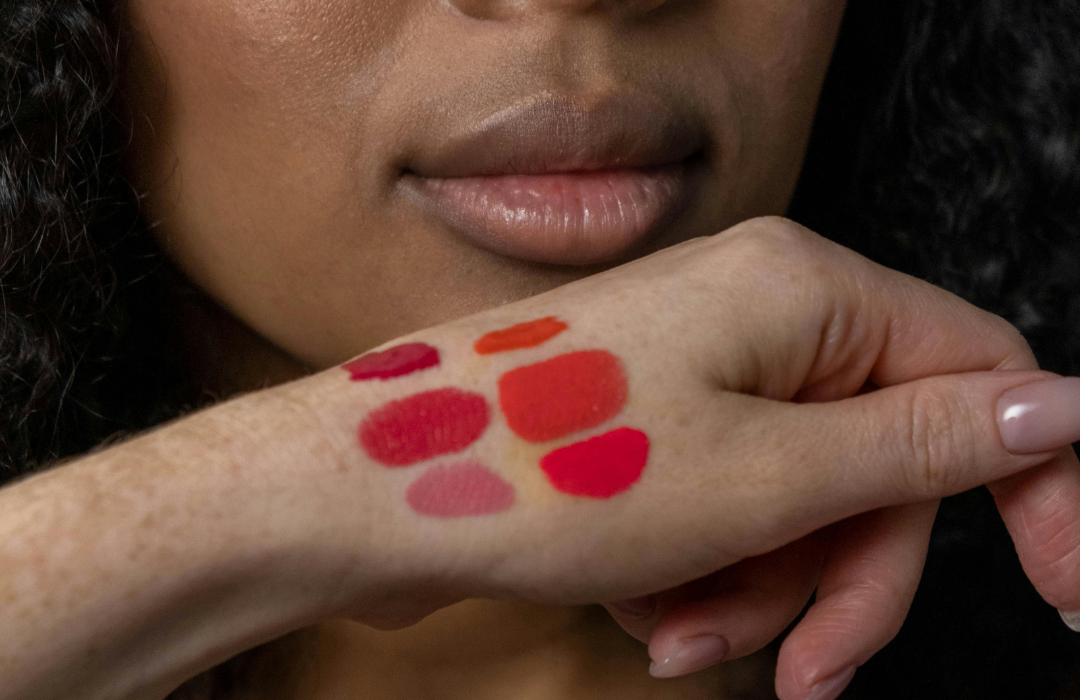
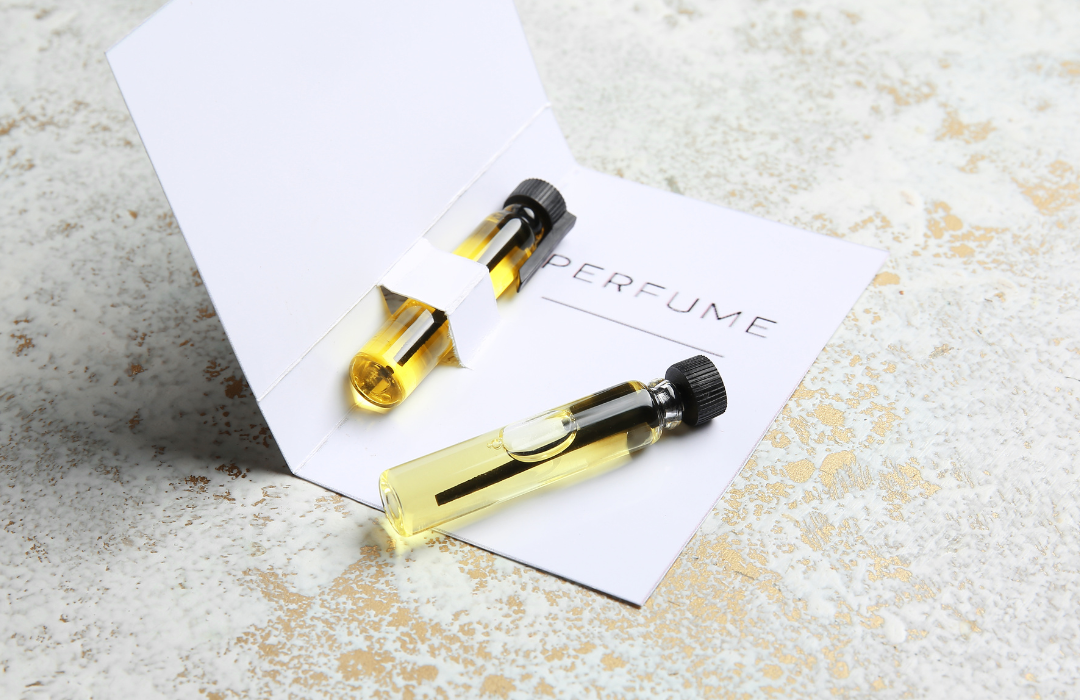
Unlike traditional advertising, sampling allows customers to physically experience a product, whether it's tasting a new snack, feeling the texture of skincare, or smelling a fragrance. This hands-on engagement increases the likelihood of them remembering and purchasing the product, supported by studies that show 73% of consumers are induced to try a new product or brand after receiving a free sample. This is particularly effective for in-home sampling, where the consumer can test the product in their own environment.
What Not To Do in Sampling for Product Launches
If you’re planning on sampling for a product launch, here are some things not to do!
Send Out Samples Without a Clear Call-to-Action
Providing samples without guiding the consumer on the next steps can lead to missed opportunities. Always include a clear call-to-action (CTA), such as visiting a website, providing feedback, or making a purchase. In the direct mail vs email debate, mail wins on CTA engagement when a physical coupon or QR code is included with the sample.
Overcomplicate the Design
A complex mailer or unclear messaging can confuse recipients. Ensure that the sample is the main focus, its presentation is straightforward and highlights the product's benefits and how to use it. Choosing the right paper stock and finishes can add premium feel without cluttering the message.
Building a Direct Mail Product Sampling Strategy
You now know what product sampling is and how direct mail can help you achieve this, but how do you build a direct mail product sampling strategy?
Understand Your Audience
Identify the target demographic to ensure samples reach individuals who are most likely to be interested in the product. Tailoring the sampling campaign to the preferences and needs of this group enhances effectiveness. For example, the visual design for the mailer will need to appeal to a younger audience if you are targeting Gen Z, compared to something more classic for an older audience. Using data segmentation for highly targeted campaigns allows you to split your creative based on these demographics.
Create a Memorable Experience
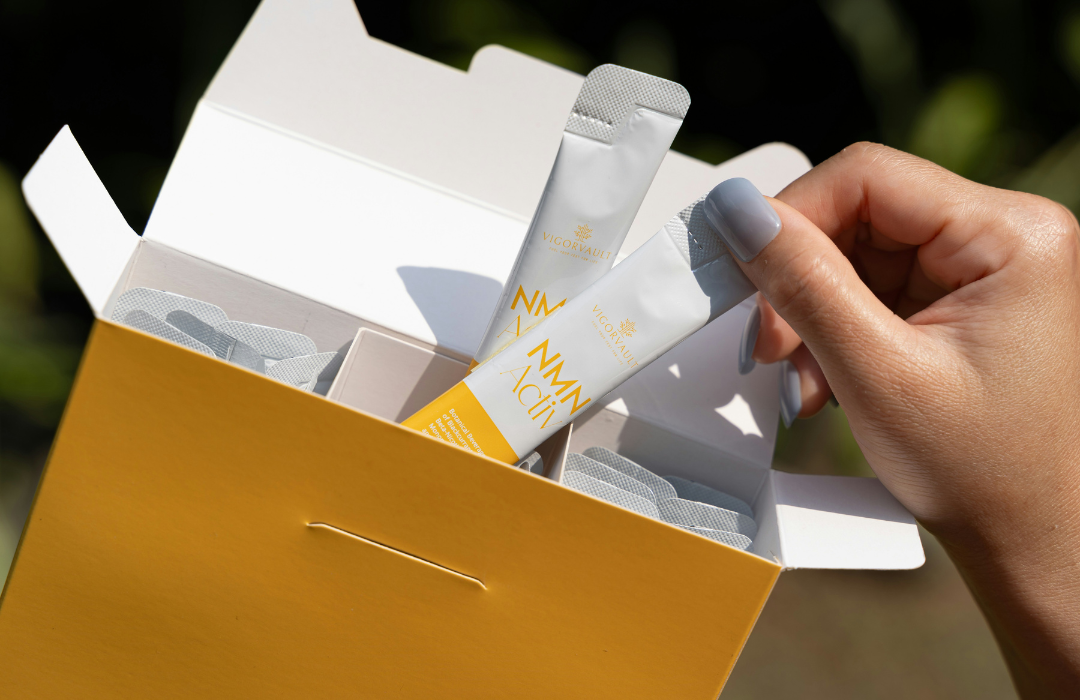
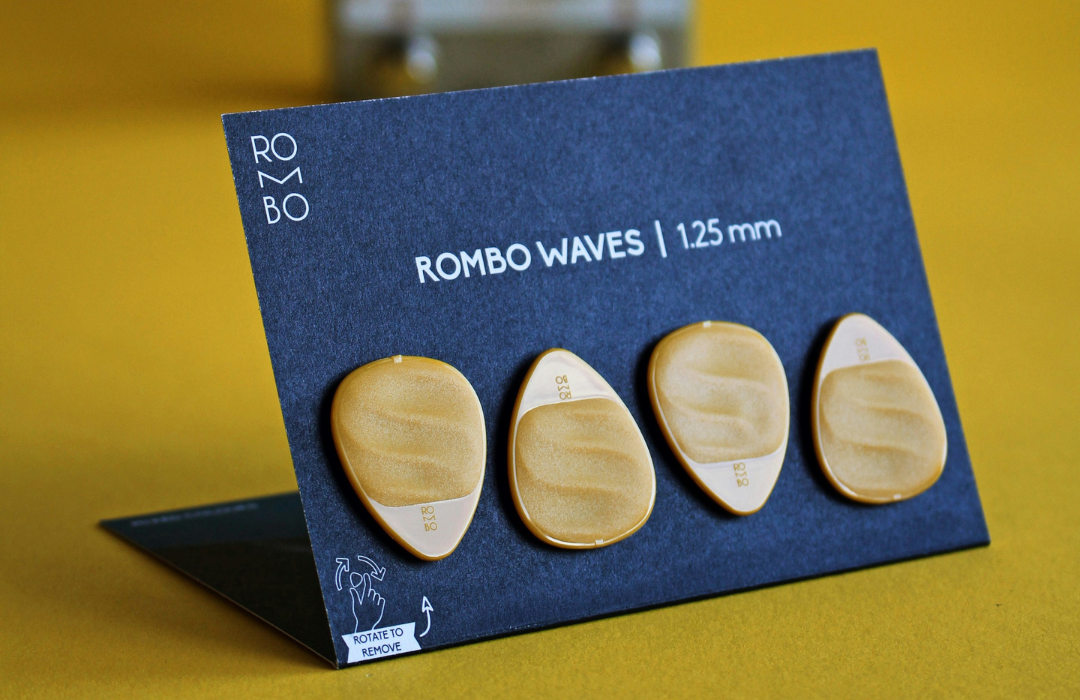
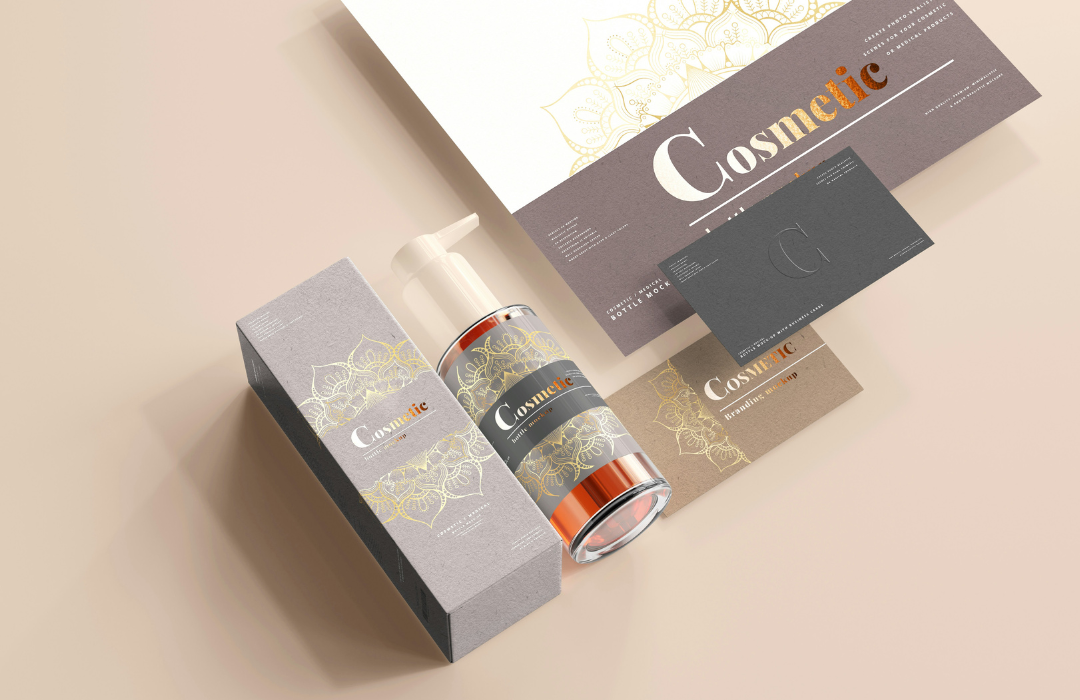
The ‘unboxing’ or opening experience of your product sample should be engaging and reflective of the brand's identity. Thoughtful packaging and personalised touches like recipient first name use, can leave a lasting impression. Using bespoke gift boxes for high-value samples can turn a simple mailing into a premium brand event.
Have a Clear Call-to-Action (CTA)
Your direct mailer design should clearly guide recipients on the desired next steps, whether it's visiting a website, sharing on social media, or redeeming a discount. It is vital to learn how to design direct mail that gets opened so that your CTA isn't lost before the envelope is even opened.
Leverage Data Collection
Use the sampling campaign to gather consumer data, such as preferences and feedback. This information can inform future marketing efforts and product development.
Monitor Distribution Quality
Ensure that samples are delivered in optimal condition and in a timely manner. These product samples are the first time a consumer is seeing this product, especially if it’s for a new product launch, so it’s important it makes a good impression.
Partnering with a reliable mailing house, like Direct Mail Systems, guarantees that the distribution process maintains the brand's reputation. Our expertise in specialist fulfilment ensures that even delicate samples arrive safely and professionally presented.
Track Performance
Implement mechanisms to measure the campaign's success, such as unique promo codes or dedicated landing pages that can help you track performance. Analysing these metrics helps assess ROI and identify areas for improvement. Ongoing A/B testing in direct mail can reveal whether a 5ml sample performs better than a 10ml sample relative to the postage cost.
Follow Up With Your Audience
Make sure the product sample isn’t your only touchpoint. Engage with recipients after they've received the sample to gather feedback, answer questions, and nurture the relationship. This follow-up can convert a one-time sampler into a loyal customer. You could target them again via direct mail, email or via social media ads, depending on your available data.
How Direct Mail Elevates Product Sampling Success
Incorporating product sampling into a product launch strategy, especially through direct mail, offers a tangible way to connect with consumers. By allowing potential customers to experience a product firsthand, brands can effectively drive interest, gather valuable insights, and foster lasting loyalty.
With over four decades of expertise, Direct Mail Systems is equipped to support businesses in executing successful product sampling campaigns that resonate with their target audience.
Get in touch to talk through your next campaign and to get a free quote.